

three six five: prompts, acts, divinations
by Lucy Ives with drawings by Nick Mauss
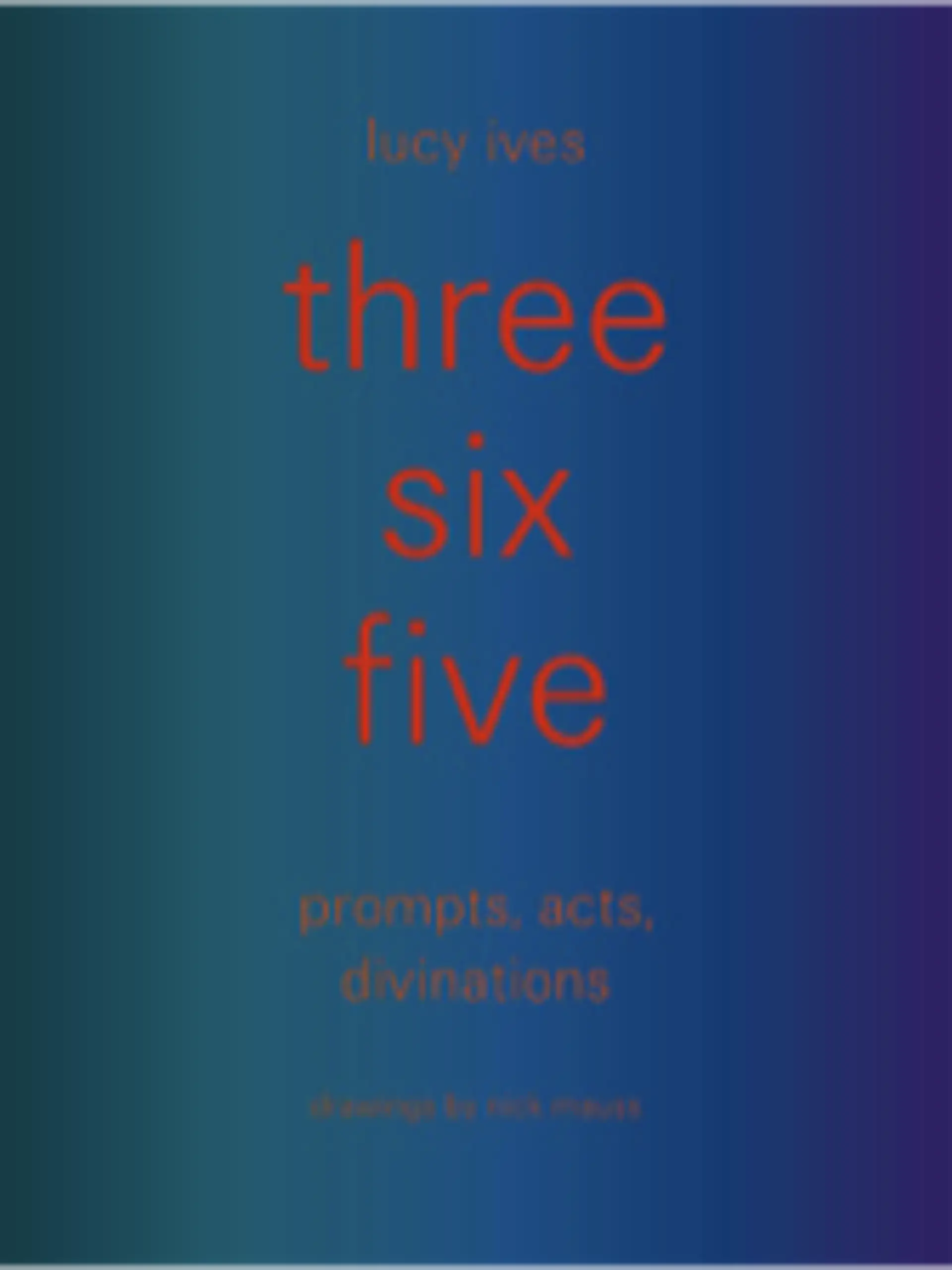
In the introduction of THREE SIX FIVE: PROMPTS, ACTS, AND DIVINATIONS (AN INEXHAUSTIBLE COMPENDIUM FOR WRITING), Lucy Ives writes, “Once upon a time, I thought I was a machine for writing.” In my experience, a book of prompts often preys upon this desire, becoming a last-ditch salve for the existential dread of the writerly life. But this approach tends to cut us off from ourselves, our memories, our intuition. “Being a machine for writing spared me the necessity of being a person, which was an activity that felt not good, nor easy, nor, moreover possible,” says Ives.
What she offers in her 365 prompts are not prescriptive, empty promises of ease; they are doors to open. She invites us to play with surprise, reversal, and paradox. The less you remember, the better. The longer the trip, the shorter the account. Write about writing an essay, but don’t write the essay itself. Memory is an imperfect invitation, arrival is never demanded nor guaranteed, and lies and secrets tangle themselves into an inoperable knot. Ives asks us to venture beyond the page and into the writing life: one in which we are forever engaged with the art of noticing. A wondrous book for every writer preoccupied with a desire for machination, and anyone seeking to rediscover the magic, persistence, and humanity of this form we love.

Whidbey
by T Kira Māhealani Madden
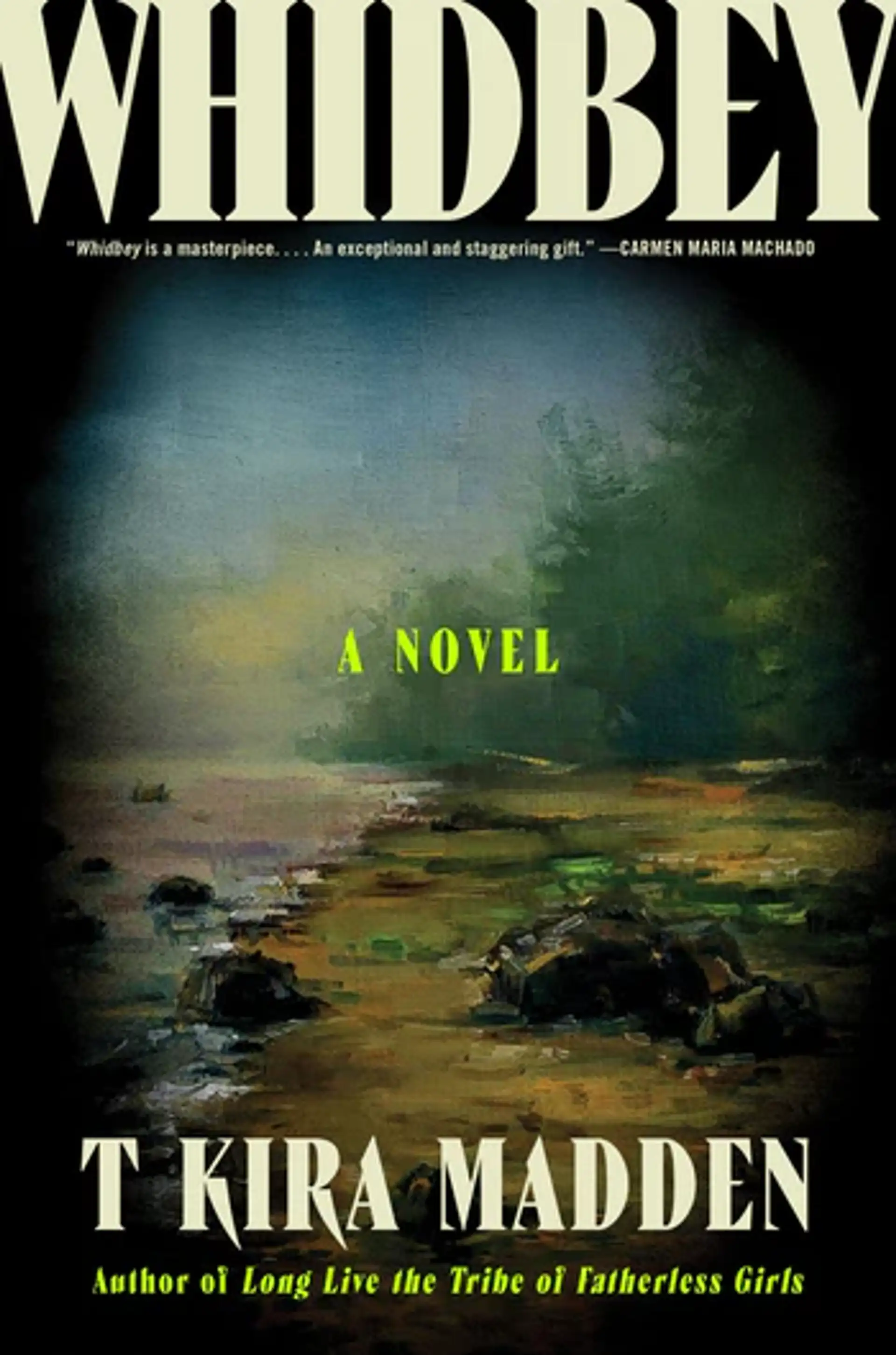
T Kira Māhealani Madden's debut novel seeks to view itself from all angles. The unspeakable acts of violence it chronicles (namely those of a pedophile called Calvin) and those who suffer for it—not only his victims (most closely a film projectionist, Birdie, and a memoirist, Linzie) but also his mother, aunt, and cousins. Calvin's abuse replays relentlessly in their minds, though in very different iterations, their interplay fueling how this expertly woven story unfolds.
Though Calvin is found murdered quite early on in the novel, this is by no means a whodunit mystery. Whidbey is a delicate, deeply-felt exploration of how pain can be commodified; denying the reality of violence; about who we listen to, who we ignore, who we forget, who we remember. And why.
Earth 7
by Deb Olin Unferth

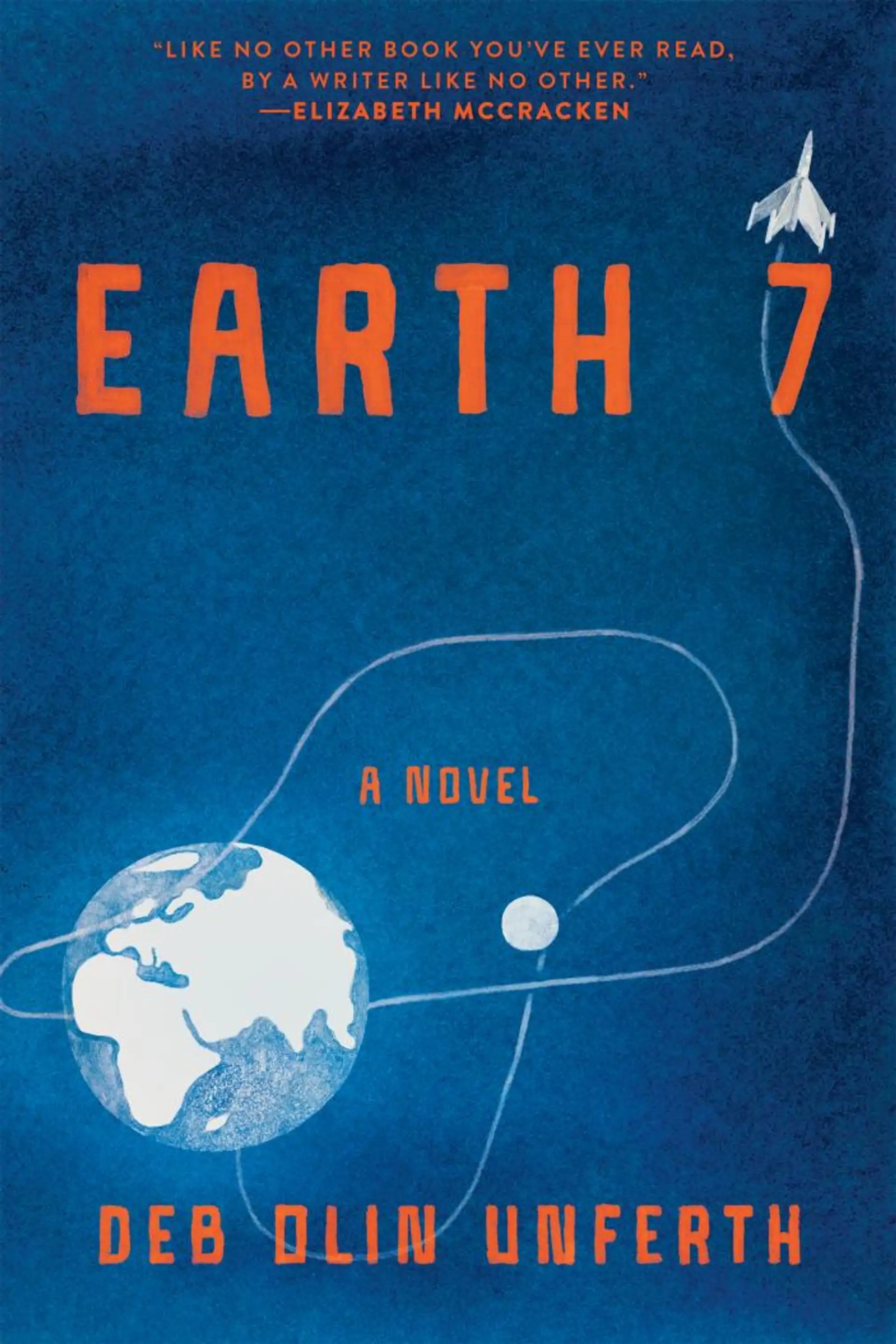
We meet Dylan as a nameless child, living in a pod under the ocean. Earth is mostly empty spaces and sand, the population plummeting in waves. When Dylan finally convinces her mother, a researcher, to let her return to land, she falls in love with a woman who may or may not be a robot. Queer, witty, direct, and tender, EARTH 7 sings, weeps, and floats beyond the most pressing questions facing our world. What do we consider worthy of salvation amidst climate destruction? Can our consciousness survive artificial intelligence? How do we hold each other in our most precarious moments? Unferth understands the fragility of humanity, and gazes upon our foibles with the kind of honesty that translates to love. “There’s no rush to spread or destroy ourselves,” she writes. “We will be knocked into pieces, sucked into the sun, exploded back out.” With luscious, authoritative prose, Unferth offers us equal doses of hope and reality in the smallest organisms amidst grains of sand, in the deepest quiet, and in the flickering glow of a firefly.
Don't Buy What I'm Selling
by Lu Chekowsky

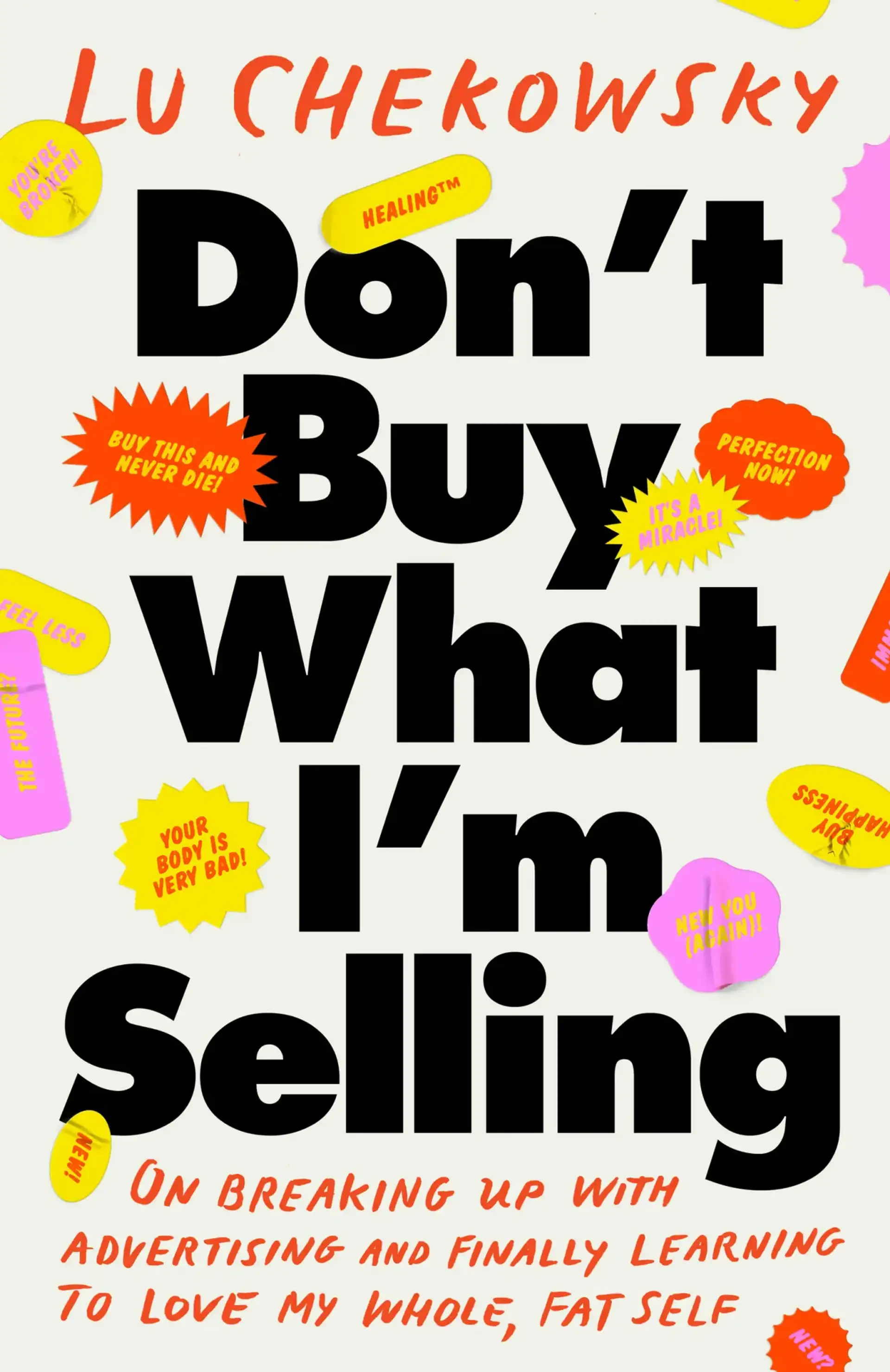
A carnival ride of a tour behind the scenes of our current media landscape, Emmy award-winning creative director Lu Chekowsky’s memoir examines the relationship between the advertising we consume and how we see ourselves. Chekowsky’s narration is equal parts wry and wrenching, her references haunting and hilarious in the way a funhouse of trick mirrors can wildly distort our reality: cityscapes of boobs; agency hallways decorated with balls, balls, and more balls; design studios dedicated to shaving down thigh sizes of female athletes in print; producers whose jobs depend on whether or not they can coax teen heartthrobs and popstars to take their shirts off. Through first-hand accounts, Chekowsky details what it’s like to infiltrate boy’s clubs and pitch ideas in rooms dominated by heckling men and penis jokes.
But Don’t Buy What I’m Selling is more than a memoir. It’s a satirical manifesto, at times taking on the form of its subject with a series of fake ads (“This is a Public service announcement: EACH OF YOUR BODY PARTS IS UNIQUELY TERRIBLE”). After decades in a career that rewards brevity and demands that we shrink ourselves as small as possible, on and off the page, Chekowsky shows us what it looks like when a woman reclaims space.

Transcription
by Ben Lerner
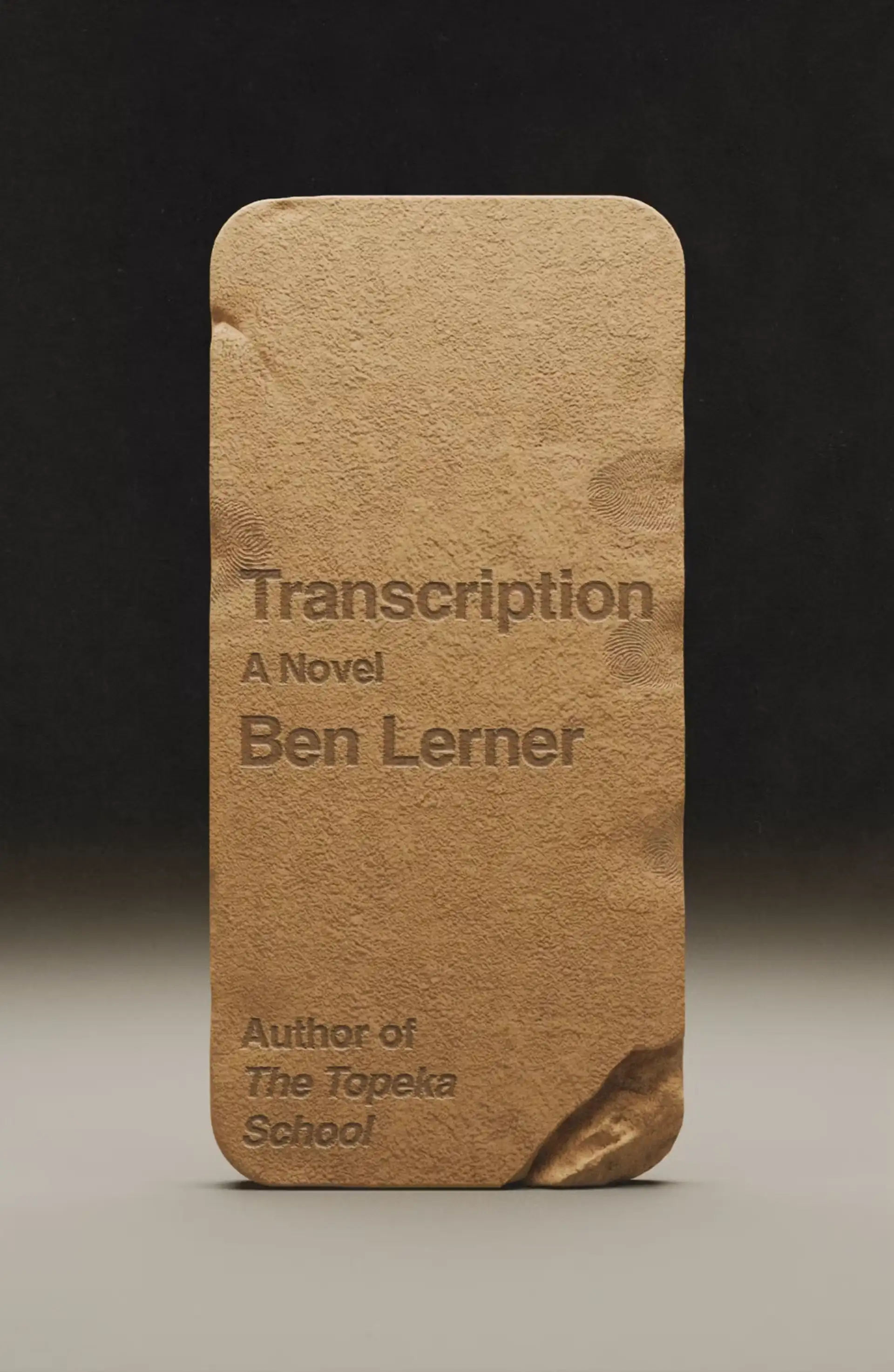
Transcription follows a writer (our unnamed narrator), his aging mentor, Thomas, (a world-renowned filmmaker, theorist, author), and their final interaction (an interview for an unidentified magazine). The first Thomas has given in decades that will also become the last documented conversation with him, ever. Or will it? Moments before our narrator is scheduled to arrive at the nonagenarian’s home in Providence, he drops his phone in the sink. Without an alternative device to record, he considers postponing or running to the local Apple Store, before proceeding as planned. What transpires that evening between these two men becomes the focal point of what is a slender novel, each of its three parts casting the same conversation in different lights.
The story is set during the pandemic—an era rendered on the page by infectious disease, social distancing, Face Times, remote classrooms, hospital Zooms, mandated isolation, adolescent anxiety, stress-related disorders, collective trauma, and an infinite feed of ASMR unboxing videos. Much like his 2014 novel 10:04, in Transcription Lerner shows us the slipperiness of time, memory, and our shared reality in the modern world.

Yesteryear
By Caro Claire Burke
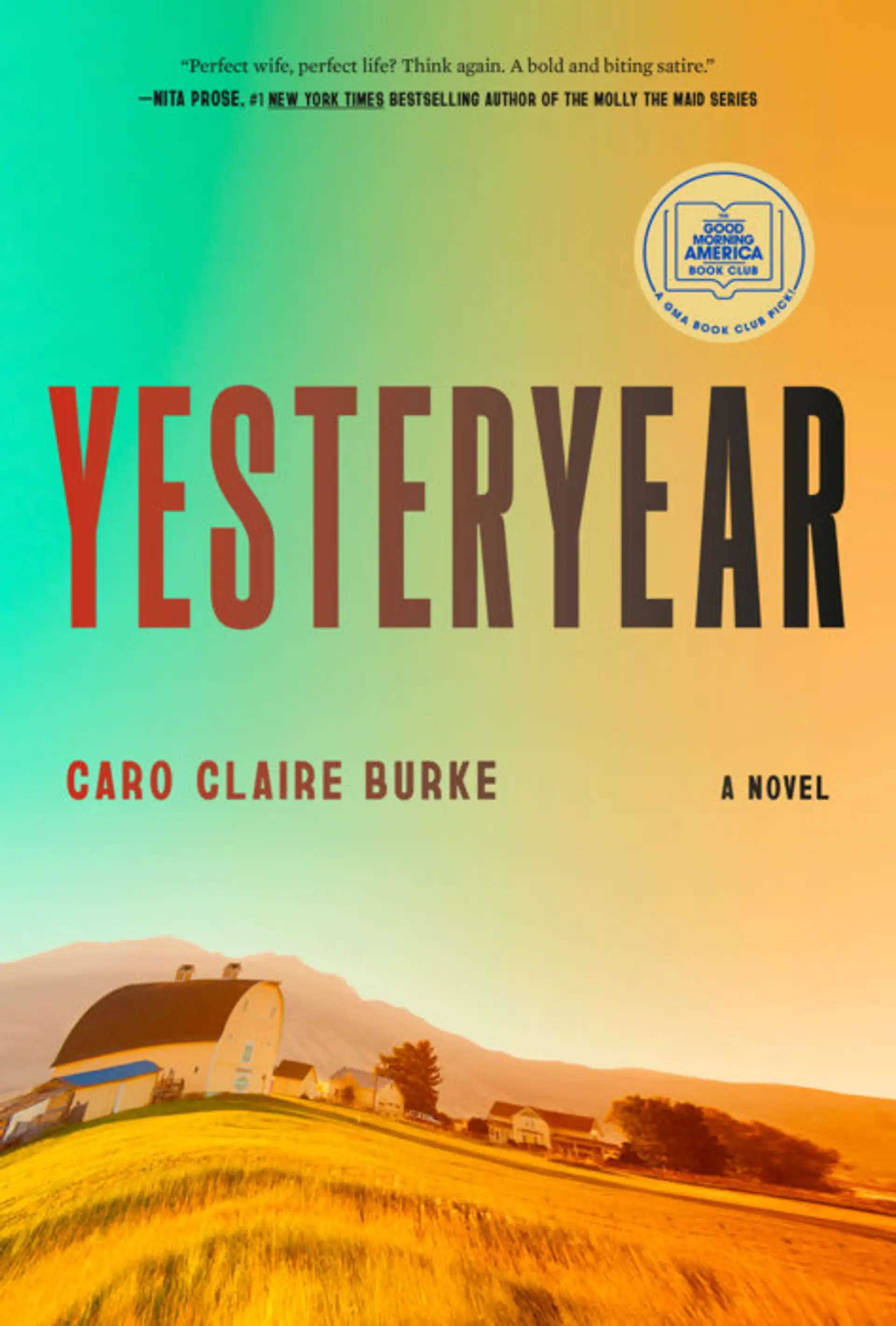
This book is not what it presents itself to be. The same can be argued about Natalie Heller Mills, ivy-league dropout turned instafamous “tradwife” and face of Yesteryear farms. Natalie is a good Christian girl, who is “perfect at being alive,” or so she would have her 8 million followers believe. We witness her perform the roles of doting wife, caring mother of 5 (soon 6), and homemaker. But when Natalie suddenly wakes up in 1855, she’s forced to reconcile with the harsh realities of the time period beneath the romanticized Little-House-On-The-Prairie aesthetic she portrays online.
A psychologically thrilling satire, narrated by the kind of an unhinged anti-hero who we love to hate, with an endorsement from Anne Hathaway who has acquired the rights and will star in the adaptation of the novel to film, it’s no wonder why Caro Claire Burke’s Yesteryear is the book everyone is talking about this summer.
Make no mistake, this is not intended to be read as a feminist text. But rather a page turner propelled by voicey prose, a provocative premise, and its use of influencer speak and buzz words (like "manosphere") to poke at the gender disparities that persist across economic, political, and social spheres. “America hates women. What a comfort to remember.”
This list features brief reviews on recent releases written by our editors, and will update regularly.